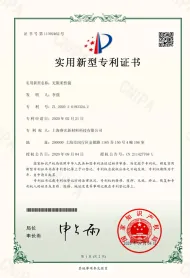


A mirror fell from the wall, taking a child's life. It was more than a news story — it was the heaviest burden on the hearts of three fathers in 2015. What started as a dinner conversation soon turned into a haunting question: "Why must mirrors be made of glass? Why can't there be a mirror that won't shatter, that won't hurt anyone?" There was no grand business plan. At first, it was simply the fathers' most basic wish: to prevent such accidents from happening again. A safe mirror — for their own children, and for all families.
The journey proved far more difficult than they had imagined. They tested every material they could find: some produced distorted, blurry reflections, while others warped or degraded over time. Their lab was filled with failed prototypes, and achieving both clarity and safety seemed impossibly distant.
Then, at the end of 2018, tragedy struck again. In a shopping mall in Shanghai, a three-meter-tall glass mirror fell, killing a six-year-old girl. Shortly after, at Singapore Changi airport, an 18-month-old toddler suffered the same fate. The images in the news pierced them to the core. Safety was no longer an abstract concept — it was shattered families. They fell silent for a long time. Then they returned to the lab. They had no choice. It had to be done.
The Breakthrough
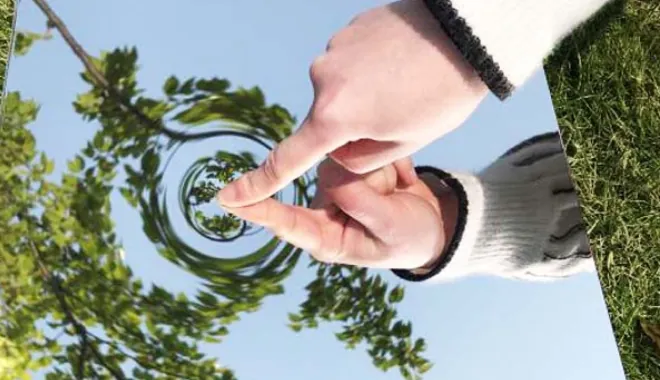
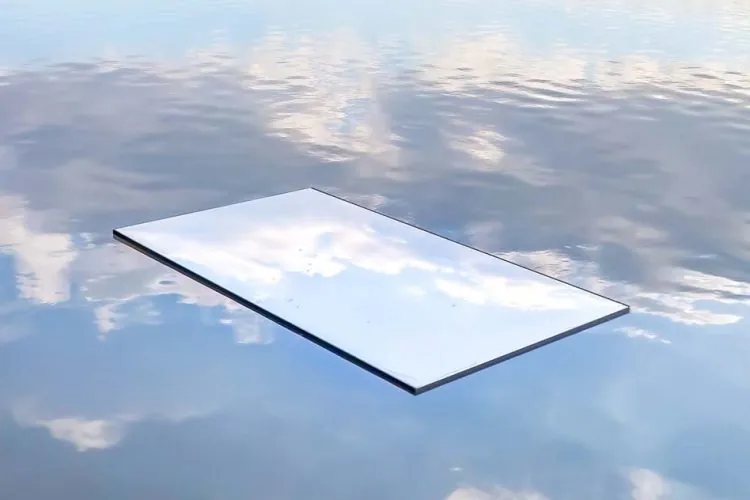
After extensive research and testing, a breakthrough came in 2019. Using Brisafe's proprietary process, they transformed an ultra-thin polymer optical film — just 0.04 millimeters thick — into a stable reflective surface with exceptional clarity. Remarkably lightweight, it reflects every detail with stunning accuracy. When impacted, it does not shatter or scatter fragments — it responds only with a dull sound. They call it Brisafe Nanomirror.
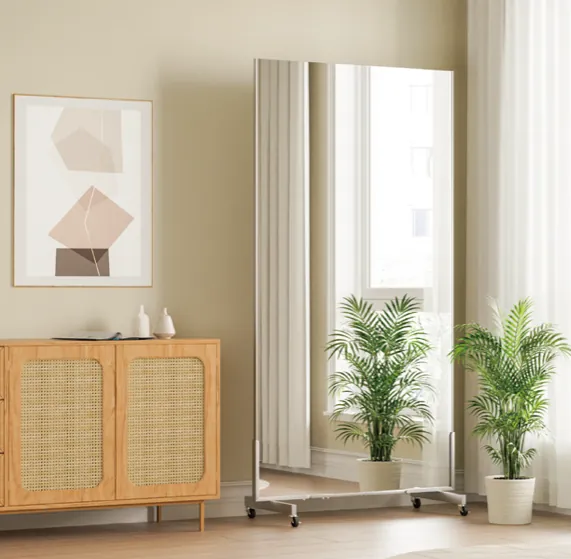
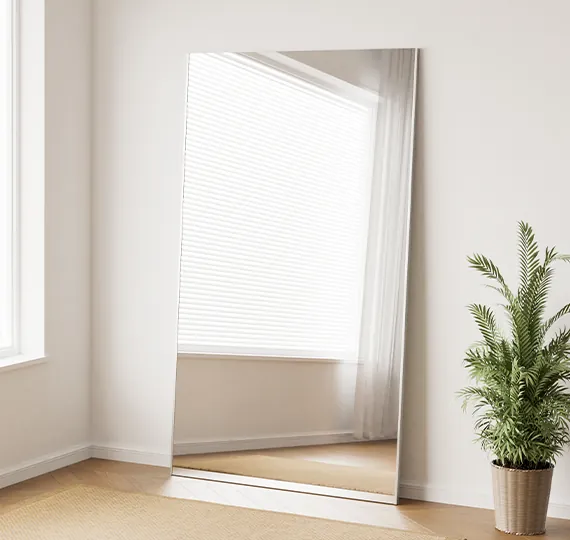
More than just non-glass and shatterproof, it is clearer, lighter, and far easier to install than traditional glass mirrors. Mounting a full wall of mirrors is no longer a complex undertaking. After launching in Japan, Brisafe quickly became the preferred choice among non-glass mirrors — accounting for 7 out of every 10 sold.Their original wish for safety had crossed borders, protecting families far from where it began. For nearly two centuries since glass mirrors were first made in 1835, their nature has remained unchanged — heavy, fragile, and full of hidden risks. We believe there is a better choice: one that is safer, lighter, and more responsible.From manufacturing to everyday use and eventual disposal, a mirror should not create unnecessary burdens — for users or for the environment.
Today, for many families, Brisafe is more than a mirror. It is a place of reassurance — a reason parents don't panic as children run freely, and the final inch of trust that allows dancers to move without holding back. All of this began with three fathers who made an extraordinary decision for a simple wish. What they changed was not only the material of a mirror, but the way it reflects life — making safety the norm, and allowing beauty to exist without fear.
"Making safety the norm, and allowing beauty to exist without fear."